Jeffrey Quill: The Legendary Spitfire Test Pilot Remembered at the RAF Club
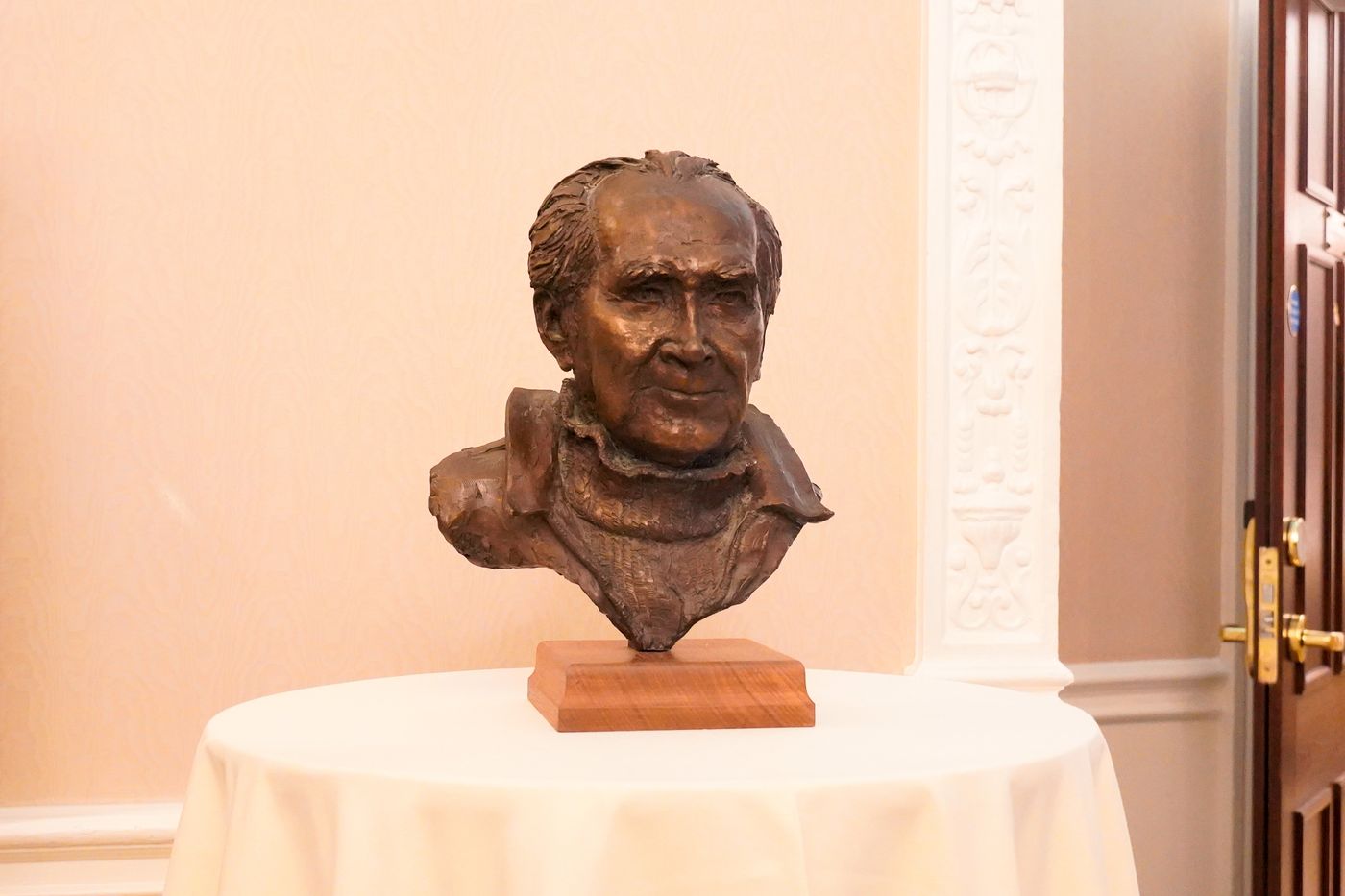
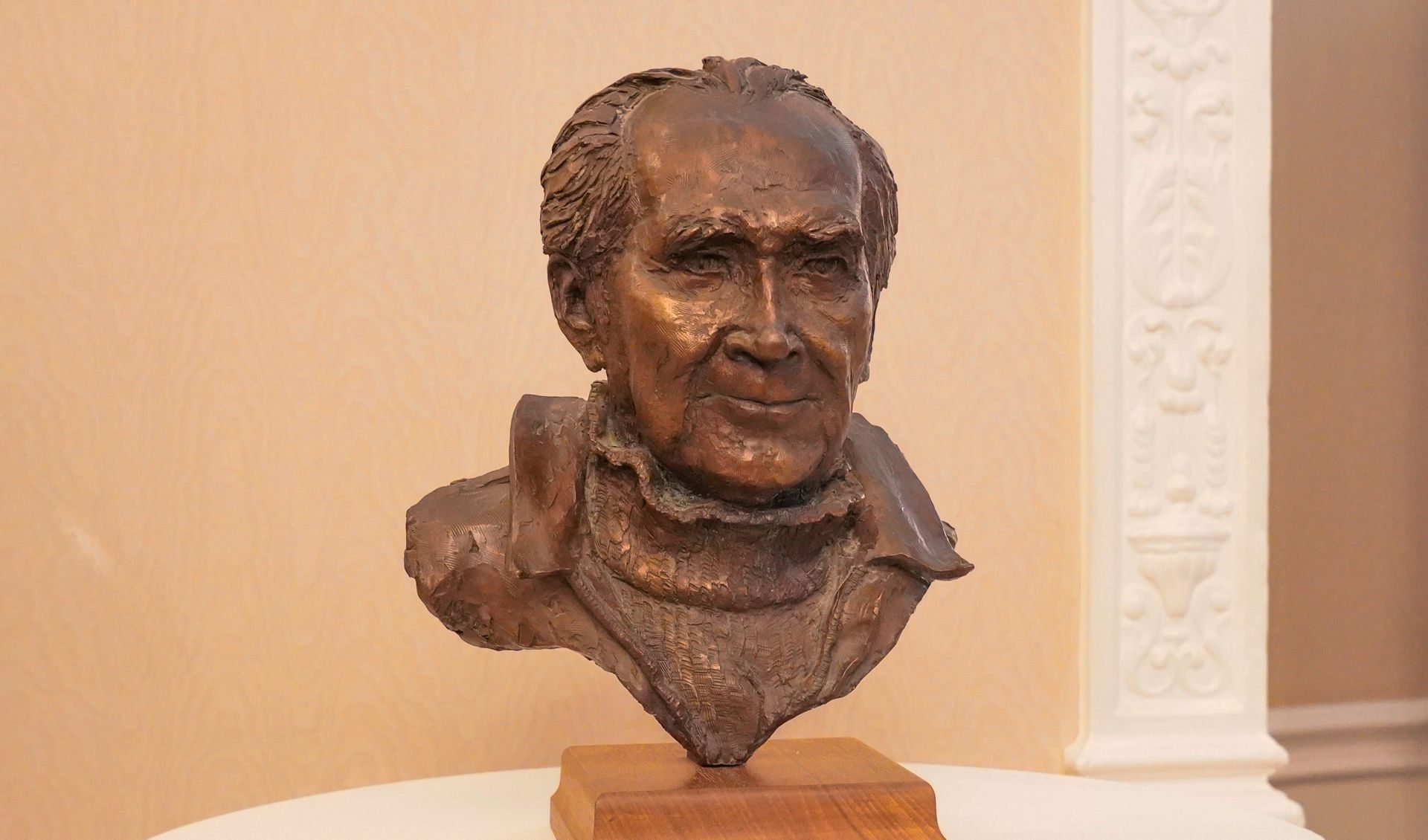
A unique and important presentation to the RAF Club took place in the 601 Squadron Room on the afternoon of 26 November 2026. The Club was presented with a magnificent Bust of one of the most important pilots who flew the Spitfire, Jeffrey Quill. It was presented by his daughters, Sarah and Virginia, and the presentation was attended by a distinguished group of guests which included Sir Dick Evans, CBE, DL, FRAeS, former Chairman of BAE Systems; Air Chief Marshal Sir Patrick (Paddy) Hine, GCB, GBE, FRAeS, CBIM; Tony Edwards, former Head of the Defence Export Services Organisation (DESO), Maggie Appleton, CEO of the RAF Museum, and Group Captain Patrick Tootal, OBE, Secretary of the Battle of Britain Fighter association to name but some. The Quill Bust was received by Group Captain Jim Beldon, Chairman of the RAF Club Arts and Heritage committee. Tony Edwards also presented a special hand-written book about the Spitfire to Dr Peter Elliott, the chief librarian of the RAF Club.
About Jeffrey Quill:
Jeffrey Quill was born in 1913 and joined the RAF in 1931. After flying training, he joined 17 Squadron at Upavon in 1932. In December 1933, he went to the Station Flight at Duxford. In November 1935 he was offered the position of assistant to the chief test pilot at Vickers Aviation, a position he accepted and he left the RAF. He became the chief test pilot in 1936. He first flew the Spitfire in March 1936, only the second pilot to fly the aircraft. He was a test pilot who played a major part in the development of the Spitfire through at least 24 different Marks of the aircraft.
In August 1940, to better understand the fighting capabilities of the Spitfire, he joined No 65 Squadron at Hornchurch during the Battle of Britain. He spent just 3 weeks on the squadron before he had to return to his test pilot duties at the request of his company, Vickers-Armstrong. However in that short time, he shared in the destruction of at least 4 aircraft, and he learnt a lot about flying the Spitfire in combat, experience which played a major part in the development of the Spitfire. He continued to fly the Spitfire until 1965, almost 30 years after his first flight in the aircraft.